Jithe ngành công nghiệp Xe Điện toàn cầu đang mở rộng ra ngoài thị trường truyền thống.
Trong khi các khu vực như Châu Âu, Bắc Mỹ và các bộ phận của Châu Á đã phát triển hệ sinh thái EV tương đối trưởng thành, các thị trường mới nổi đang bắt đầu bước vào một giai đoạn mới của điện khí hóa.
Trong số các khu vực này, Mỹ Latinh đang ngày càng chú ý.
Với dân số đô thị ngày càng tăng, sự quan tâm ngày càng tăng đến tính di động điện, nguồn năng lượng tái tạo phong phú và nhu cầu cơ sở hạ tầng đáng kể, mỹ Latinh có tiềm năng trở thành thị trường tăng trưởng quan trọng cho cơ sở hạ tầng sạc EV trong những năm tới.
Tuy nhiên, con đường phát triển sẽ phụ thuộc vào nhiều yếu tố, bao gồm điều kiện kinh tế, chính sách của chính phủ, sẵn sàng lưới điện và sự tham gia của khu vực tư nhân.
1. Nhận Nuôi EV ở Mỹ Latinh đang bước vào giai đoạn mở rộng
Trong Lịch Sử, điện khí hóa xe ở Mỹ Latinh phát triển chậm hơn so với các thị trường EV hàng đầu.
Tuy nhiên, những năm gần đây cho thấy Đà tăng.
Một số yếu tố hỗ trợ áp dụng EV:
Nâng cao nhận thức về môi trường
Mối quan tâm về chất lượng không khí đô thị
Tiến bộ trong công nghệ pin
Giảm chi phí EV
Tăng tính khả dụng của các mẫu xe điện
Các trung tâm đô thị lớn đang trở thành cơ sở thử nghiệm quan trọng để di chuyển điện, đặc biệt là ở các nước như Mexico, Brazil, Chile và Colombia.
Khi nhiều xe điện đi vào thị trường, nhu cầu về cơ sở hạ tầng sạc đáng tin cậy sẽ tự nhiên tăng lên.
2. Khả dụng cơ sở hạ tầng vẫn là một thách thức quan trọng
Một trong những hạn chế lớn nhất đối với tăng trưởng EV ở Mỹ Latinh là tính phí cơ sở hạ tầng.
So với nhu cầu xe, nhiều khu vực vẫn phải đối mặt:
Trạm Sạc công cộng giới hạn
Vùng phủ sóng Địa Lý không đồng đều
Thiếu Mạng sạc tốc độ cao
Khả năng tiếp cận sạc không đủ bên ngoài các thành phố lớn
Khoảng cách cơ sở hạ tầng này thể hiện cả một thách thức và một cơ hội.
Ở các thị trường đang phát triển, việc triển khai cơ sở hạ tầng sớm có thể đóng một vai trò quan trọng trong việc định hình các mô hình di động trong tương lai.
3. Mỹ Latinh có tiềm năng năng năng lượng tái tạo mạnh
Một trong những lợi thế độc đáo của Mỹ Latinh là Tiềm năng năng lượng tái tạo của nó.
Nhiều quốc gia trong khu vực có điều kiện thuận lợi cho:
Năng lượng mặt trời
Năng lượng gió
Tạo thủy điện
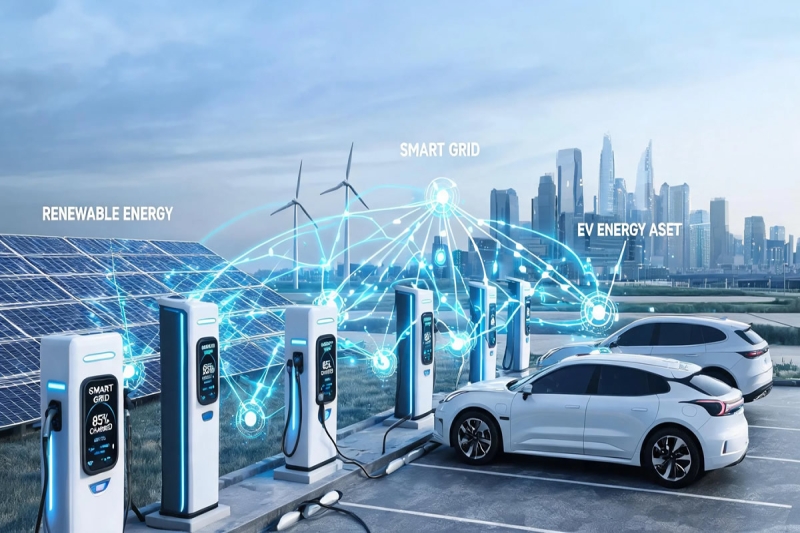
Điều này tạo ra cơ hội để kết nối tính di động điện với hệ thống năng lượng sạch hơn.
Sự kết hợp giữa điện tái tạo và cơ sở hạ tầng sạc EV có thể hỗ trợ một hệ sinh thái giao thông bền vững hơn.
4. đô thị hóa tạo ra nhu cầu di chuyển lâu dài
Mỹ Latinh là một trong những khu vực đô thị hóa nhất thế giới.
Khu vực đô thị lớn tiếp tục trải nghiệm:
Tăng trưởng dân số
Tăng nhu cầu vận chuyển
Áp lực lớn hơn đối với hệ thống nhiên liệu truyền thống
Tính di động điện có thể cung cấp các giải pháp mới cho:
Xe riêng
Giao thông công cộng
Hạm Đội thương mại
Dịch vụ hậu cần
Khi các thành phố tiếp tục phát triển, cơ sở hạ tầng sạc sẽ trở thành một phần ngày càng quan trọng của quy hoạch đô thị.
5. Mexico và Brazil có thể trở thành thị trường trọng điểm trong khu vực
Trong nước Mỹ Latinh, các quốc gia khác nhau đang tiến triển với tốc độ khác nhau.
Mexico
Mexico có một số ưu điểm:
Hệ sinh thái sản xuất ô tô mạnh
Kết nối chặt chẽ với chuỗi cung ứng Bắc Mỹ
Tăng sự quan tâm từ các công ty Quốc Tế
Nền Tảng Công nghiệp của nó cung cấp hỗ trợ tiềm năng cho sản xuất EV và phát triển cơ sở hạ tầng.
Brazil
Brazil đại diện cho một trong những thị trường ô tô lớn nhất trong khu vực.
Ưu điểm của sản phẩm bao gồm:
Thị trường nội địa lớn
Cơ sở hạ tầng năng lượng hiện có
Tài Nguyên năng lượng tái tạo
Cả hai nước có thể trở thành động lực quan trọng của Tăng trưởng cơ sở hạ tầng EV trong khu vực.
6. thách thức thị trường: tăng trưởng đòi hỏi phải lập kế hoạch dài hạn
Mặc dù cơ hội rất quan trọng, việc phát triển sạc EV phải đối mặt với những thách thức Thiết thực:
Đầu tư cơ sở hạ tầng
Mạng sạc yêu cầu lập kế hoạch vốn dài hạn và lựa chọn vị trí chiến lược.
Phát triển lưới điện
Áp dụng EV quy mô lớn đòi hỏi phải có đủ công suất lưới và quản lý năng lượng thông minh.
Nhận Nuôi người tiêu dùng
Người dùng cần trải nghiệm sạc đáng tin cậy, tiện lợi và dễ tiếp cận.
Khác biệt khu vực
Mỹ Latinh không phải là một thị trường duy nhất. Mỗi quốc gia có quy định khác nhau, điều kiện kinh tế, và nhu cầu cơ sở hạ tầng.
Phát triển thành công sẽ yêu cầu các chiến lược bản địa hóa.
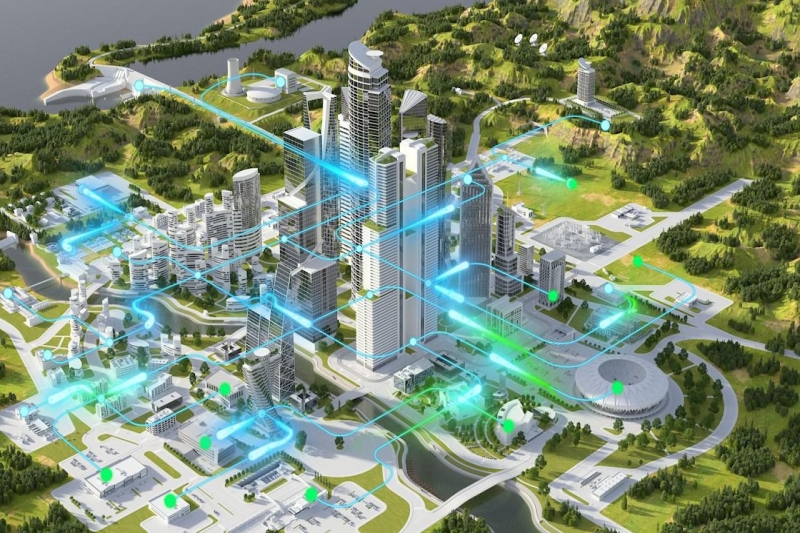
7. từ Trạm Sạc đến mạng năng lượng khu vực
Tương lai của sạc EV ở Mỹ Latinh có thể sẽ vượt ra ngoài các điểm sạc riêng lẻ.
Giai đoạn tiếp theo sẽ tập trung vào:
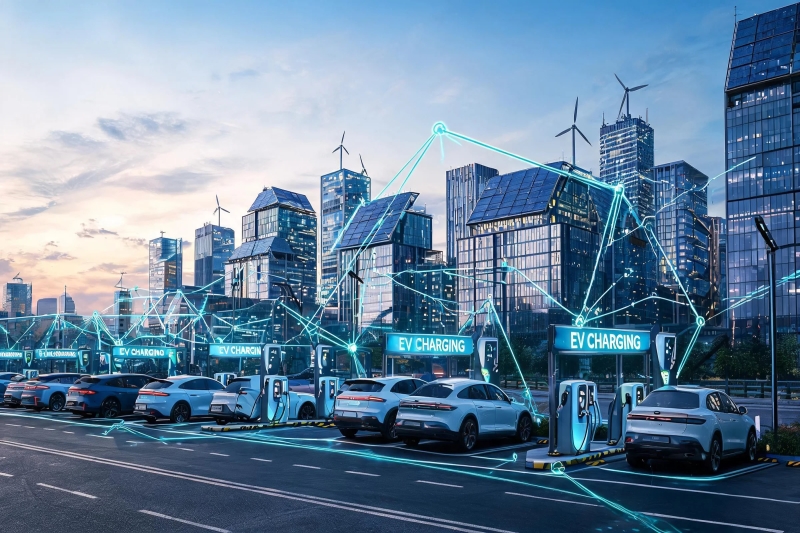
Mạng sạc kết nối
Quản lý năng lượng thông minh
Nền tảng kỹ thuật số
Tích hợp năng lượng tái tạo
Cơ sở hạ tầng sạc sẽ trở thành một phần của hệ sinh thái năng lượng rộng hơn kết nối vận chuyển và điện.
Kết luận: Cơ hội của Mỹ Latinh dựa trên thời gian
Mỹ Latinh không thể trở thành một thị trường EV hoàn toàn trưởng thành qua đêm.
Tuy nhiên, khu vực này trình bày một sự kết hợp độc đáo của:
Nhu cầu di chuyển điện ngày càng tăng
Thiếu cơ sở hạ tầng
Tiềm năng năng lượng tái tạo
Mở rộng nhu cầu giao thông đô thị
Thập kỷ tiếp theo có thể là một cửa sổ phát triển quan trọng cho cơ sở hạ tầng sạc EV.
Các công ty và công nghệ giúp Xây Dựng Mạng sạc đáng tin cậy ngày nay có thể đóng một vai trò quan trọng trong việc định hình tương lai của di động điện ở Mỹ Latinh.

 Ngày 06 tháng 8 năm 2026